Is Mold in My AC Unit Dangerous?
Imagine turning on your air conditioner on a sweltering Florida afternoon, expecting a blast of cool, refreshing air—only to unknowingly fill your home with mold spores instead. It sounds like a horror story, but for many homeowners, it’s a hidden reality.
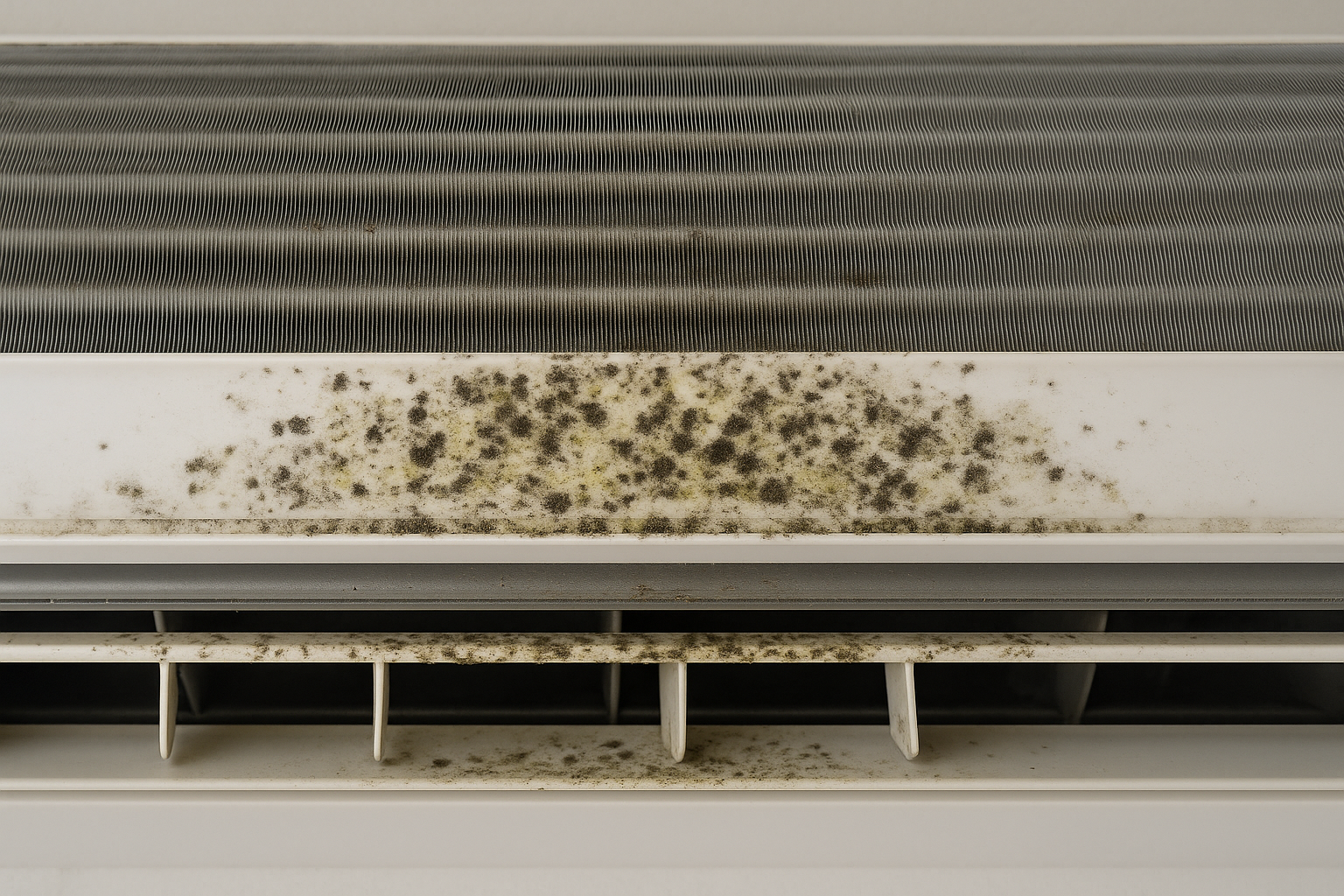
If you’ve ever asked yourself, “is mold in my AC unit dangerous?” the simple answer is yes—but the reality is more unsettling than most homeowners realize. Your air conditioner isn’t just cooling your home; it’s also moving air into every single room. If mold begins growing inside the unit or duct work, those spores don’t stay put. They hitch a ride on the airflow and quickly turn your living space into a breeding ground you can’t always see.
The Hidden Health Risks
Breathing in mold spores day after day can take a serious toll on your health. Many people notice a stuffy nose, itchy eyes, or a lingering cough and blame it on seasonal allergies. In reality, their AC system may be circulating mold-contaminated air. For those with asthma, chronic sinus issues, or weakened immune systems, the effects can be much worse—ranging from constant fatigue and headaches to severe breathing problems. What makes it especially dangerous is that the symptoms often build slowly, so it may be months before you realize your AC is the culprit.
When mold hides inside your AC unit, every breath you take could be circulating spores throughout your entire home.
How to Spot Mold in Your AC
One of the most common red flags is the smell. If you notice a musty or “dirty sock” odor every time the air kicks on, that’s often a telltale sign of mold. Sometimes, dark patches or streaks can appear around vents or drip pans, but in many cases the growth is hidden deep inside the system. Another clue is how you feel. If your allergy symptoms flare up the moment you step indoors—or if they mysteriously vanish when you leave the house—your AC may be silently working against you.
Why AC Units Are Mold Magnets
Air conditioners create the perfect storm for mold growth: cool air, moisture from condensation, and dark enclosed spaces. If the system isn’t draining properly or the filters are clogged, humidity builds up and mold settles in quickly. Florida’s climate only makes the problem worse, with high humidity levels that encourage spores to spread. Without regular cleaning and inspections, a small problem can spiral into a serious infestation.
What You Can Do About It
Homeowners often try quick fixes—like spraying cleaner around the vents—but that usually only masks the issue. Mold in an AC unit rarely stays on the surface; it thrives deep within the coils and ducts where you can’t easily reach. The safest solution is to bring in a professional who can inspect, test, and properly remove the mold. Once cleaned, consistent maintenance—changing filters, keeping humidity under control, and scheduling routine inspections—can go a long way in preventing mold from returning.
Protecting Your Home and Your Health
Living in Florida, where warm, damp air is part of daily life, makes it especially important to stay vigilant. Mold in your AC isn’t just an inconvenience; it’s a health hazard that can impact your entire family. At Florida State Mold Inspection, we’ve seen firsthand how quickly mold can spread through an HVAC system, and how much better people feel once the problem is taken care of. If you suspect mold may be lurking in your unit, don’t wait—your air quality, your comfort, and your health depend on it.
A musty smell when the air kicks on is more than an annoyance—it’s often the first warning sign that mold has moved in.
About the Author: Ali Jaffri is a licensed mold assessor, trade veteran, and the owner of Florida State Mold Inspection. He runs a customer-centric operation as described by customers in his Google reviews. Backed by years of hands-on remediation experience and a background in roofing logistics, Ali specializes in tracking complex indoor air quality problems back to their origin. Known for his uncompromising client advocacy, he provides independent, scientifically rigorous assessments that protect property owners from industry pressure and gaslighting. For more information, visit Florida State Mold Inspection or connect with Ali on his LinkedIn page.