Florida Mold 101: What Every Homeowner Needs to Know
Stay Fresh, Stay Safe (and Mold-Free)
Florida: land of sunshine, sandy beaches, and… mold? It’s not just gators and hurricanes you need to watch out for. If you own a home in the Sunshine State, mold is an uninvited guest that loves to sneak in and overstay its welcome. But don’t panic. This article will walk you through what you really need to know to keep your home healthy, your air breathable and your stress levels low.
Let’s dive into Mold 101 — Florida style.
Why Is Mold Such a Big Deal in Florida?
Because mold loves what Florida has in abundance: heat, humidity, and moisture. With frequent rainstorms, tropical weather and high humidity levels almost year-round, homes here are practically a vacation resort for mold spores. For perfect mold-free conditions, in Florida the ideal indoor relative humidity needs to be between 45% and 55%.
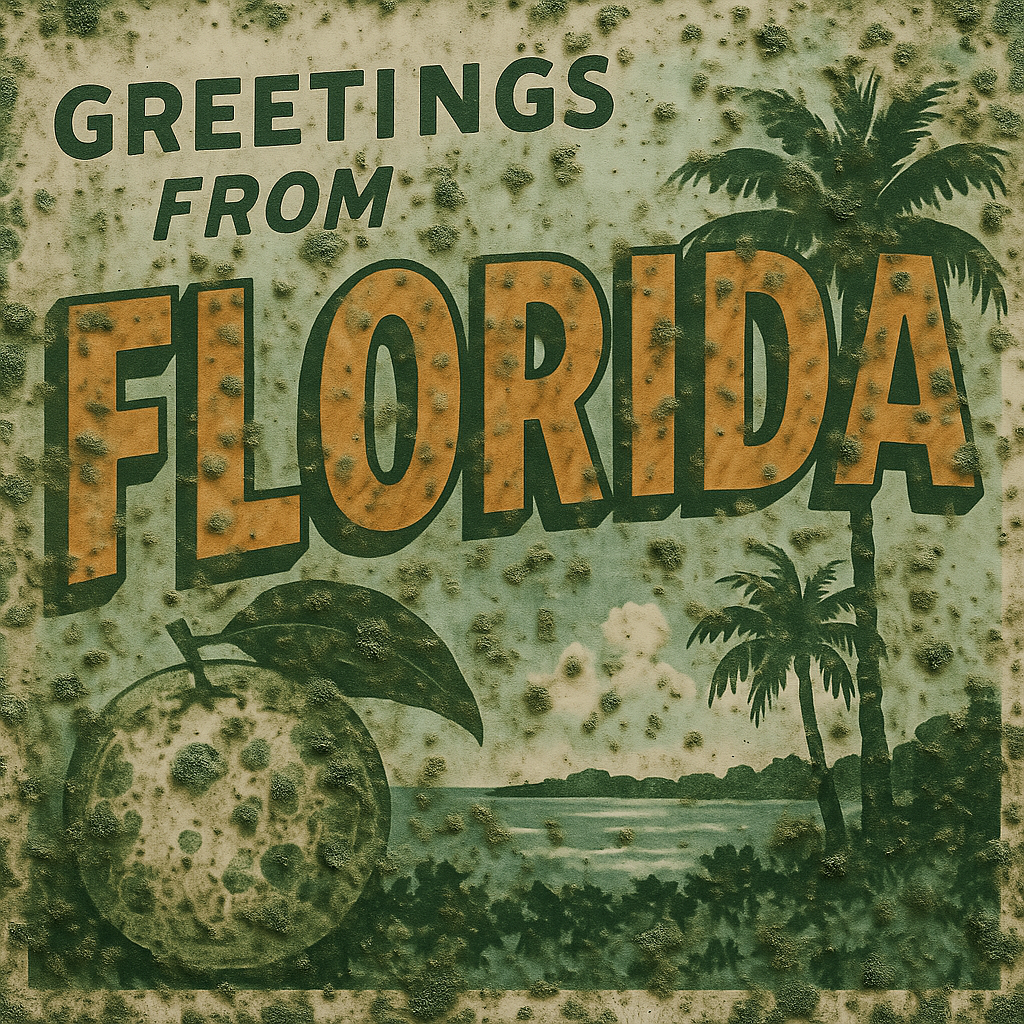
It’s not just gators and hurricanes you need to watch out for. If you own a home in the Sunshine State, mold is an uninvited guest that loves to sneak in and overstay its welcome.
All mold needs to grow is:
- A little moisture (hello, roof leaks, plumbing drips, or poor ventilation.)
- A food source (wood, drywall, carpet, insulation… you name it)
- And time (sometimes just 24–48 hours)
It’s not just about ugly black spots on your wall. Mold can trigger allergies, asthma, and serious respiratory issues. Some types — like Stachybotrys, aka toxic black mold — are even more hazardous.
Signs Mold Might Be Crashing at Your Place
You might not always see mold right away, but there are some telltale signs that it’s creeping around:
- Musty or earthy smells
- Discoloration on walls, ceilings, or baseboards
- Peeling paint or warped walls
- Chronic allergy symptoms indoors
- Excessive condensation on windows or cold surfaces
- Recent water damage from leaks, floods, or storms
Pro tip: If you spot one of these, don’t just light a candle and hope for the best. Mold doesn’t take hints.
Common Mold Hideouts in Florida Homes
Mold isn’t picky, but here are its favorite Florida hotspots:
- Bathrooms and kitchens – lots of steam, and sometimes poor ventilation
- Attics and crawlspaces – especially if they’re not properly sealed
- HVAC systems – a breeding ground if not regularly maintained
- Around windows and sliding doors – where condensation builds up
- Behind walls and under floors – particularly after a leak
Basically, if it’s damp and dark, it’s prime mold real estate.
Anything bigger, or anything you suspect is toxic, should be left to professionals. Improper cleanup can release more spores into the air — and make things worse.

How to Kick Mold to the Curb
If you already have mold, don’t DIY it unless it’s a very small patch (think: less than 10 square feet). Anything bigger, or anything you suspect is toxic, should be left to professionals. Improper cleanup can release more spores into the air — and make things worse.
Instead:
- Call a licensed mold inspector or assessor – They’ll pinpoint the source and the extent of the problem.
- Get a mold remediation plan – Don’t just clean it; eliminate the cause.
- Fix the moisture problem – Whether it’s a roof leak, broken pipe, or poor ventilation, the source needs to be sealed up.
- Keep the air dry – Use dehumidifiers, especially in humid months, to keep indoor levels below 50%.
Prevention: Your Best (and Cheapest) Weapon
You don’t have to live in fear of spores. Just adopt some mold-smart habits:
- Use exhaust fans in bathrooms and kitchens.
- Regularly check for leaks (especially after storms).
- Clean and service your HVAC system annually.
- Keep gutters clear to prevent water pooling near your foundation.
- Invest in a dehumidifier — especially during those muggy summer months.
- Seal windows and doors properly.
- Don’t ignore that drip drip drip.
Stay on top of moisture, get regular inspections, and if you even think there’s mold lurking, don’t wait.
Final Thoughts
Mold might be a fact of life in Florida — but with the right info and a little diligence, it doesn’t have to be a nightmare. Stay on top of moisture, get regular inspections, and if you even think there’s mold lurking, don’t wait. The sooner you act, the safer (and cheaper) it’ll be.
Got questions or need a professional mold inspection? Florida State Mold Inspection has your back. We know mold. We live here too.
Breathe easy, Florida — just not with mold in the air.
About the Author: Ali Jaffri is a licensed mold assessor, trade veteran, and the owner of Florida State Mold Inspection. He runs a customer-centric operation as described by customers in his Google reviews. Backed by years of hands-on remediation experience and a background in roofing logistics, Ali specializes in tracking complex indoor air quality problems back to their origin. Known for his uncompromising client advocacy, he provides independent, scientifically rigorous assessments that protect property owners from industry pressure and gaslighting. For more information, visit Florida State Mold Inspection or connect with Ali on his LinkedIn page.