How to Get Rid of Mold: A Florida Homeowner’s Guide
Mold isn’t just unpleasant to look at—it can damage your home and impact your health. In Florida’s warm, humid climate, mold growth is a constant threat. It thrives in damp, poorly ventilated areas like bathrooms, kitchens, and even inside walls. If you’ve noticed that telltale musty smell or spotted dark patches forming, it’s time to learn how to get rid of mold the right way.
Identify and Fix the Source
The first step is understanding what’s causing the mold to appear in the first place. Mold doesn’t grow without moisture, so it’s usually a sign of a hidden problem such as a leaky pipe, a dripping air conditioner, or poor airflow in your home. Before cleaning up any visible mold, take care of the moisture source. If you skip this step, the mold will return—no matter how many times you scrub it away.
Know When to Handle It Yourself
Small patches of mold on tile or around a window frame can often be cleaned by homeowners using simple tools and safety gear. However, if the affected area is larger than a few feet, or if mold has spread into drywall, insulation, or flooring, it’s time to call a professional. This is especially important if anyone in your home has allergies, asthma, or other respiratory conditions.
At Florida State Mold Inspection, we use advanced testing methods to determine what kind of mold you’re dealing with and how deeply it has spread. This ensures that any removal or remediation is done safely and completely.
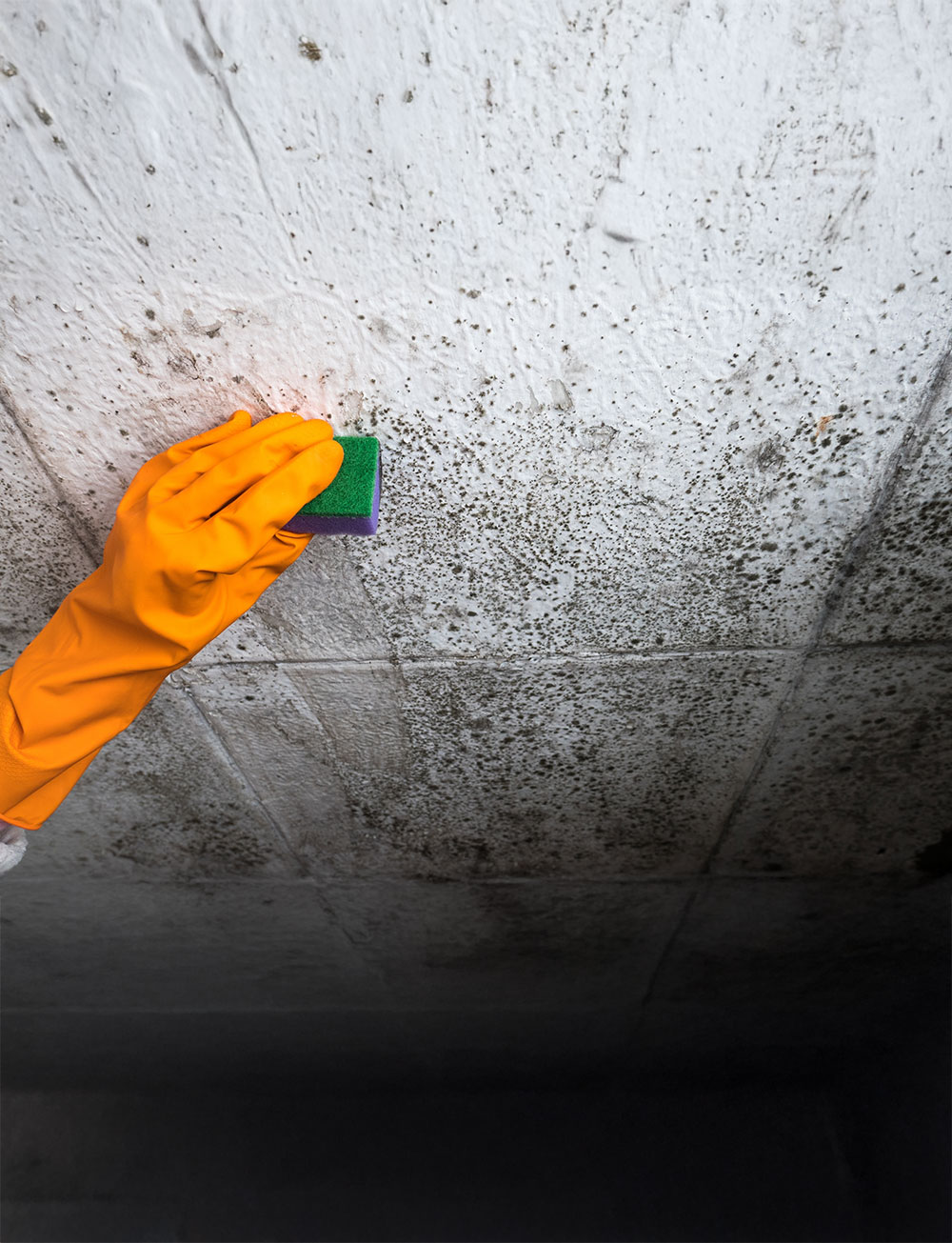
How to Clean Small Mold Areas Safely
If you decide to clean a small area yourself, always protect your skin, eyes, and lungs by wearing gloves, goggles, and a mask. A solution made with one cup of bleach to a gallon of water works well on nonporous surfaces like tiles and glass. Scrub the area thoroughly and allow it to dry completely afterward. Avoid mixing cleaning products, as some combinations can create toxic fumes.
Keep in mind that porous materials like drywall, carpet, or insulation often need to be replaced if they’ve been contaminated. Even after cleaning, these materials can trap mold spores and release them back into the air later.
The key to getting rid of mold isn’t just cleaning what you can see—it’s finding and fixing the moisture that caused it in the first place.
Preventing Mold from Coming Back
Once you’ve figured out how to get rid of mold, the next challenge is making sure it doesn’t return. Maintaining low indoor humidity is key—use a dehumidifier or air conditioner to keep moisture levels under control. Make sure bathrooms and kitchens have proper ventilation, fix any leaks as soon as they appear, and dry out areas quickly after heavy rain or flooding.
Scheduling regular mold inspections is also a smart preventative measure, especially for Florida homeowners who live in older buildings or areas prone to humidity and storms.
Call the Experts in Florida Mold Inspection
Even if you’ve successfully cleaned visible mold, there could still be hidden colonies behind walls or under floors. That’s where professional testing and inspection make all the difference.
Florida State Mold Inspection specializes in identifying hidden moisture problems and mold growth throughout the state. Our certified inspectors use professional equipment to detect mold, pinpoint its source, and recommend effective, lasting solutions.
If you’re worried about mold in your home—or simply want peace of mind—contact Florida State Mold Inspection today. We’ll help you find out exactly what’s growing in your home and how to get rid of it for good.
About the Author: Ali Jaffri is a licensed mold assessor, trade veteran, and the owner of Florida State Mold Inspection. He runs a customer-centric operation as described by customers in his Google reviews. Backed by years of hands-on remediation experience and a background in roofing logistics, Ali specializes in tracking complex indoor air quality problems back to their origin. Known for his uncompromising client advocacy, he provides independent, scientifically rigorous assessments that protect property owners from industry pressure and gaslighting. For more information, visit Florida State Mold Inspection or connect with Ali on his LinkedIn page.