Preventing Mold After a Storm: Tips for Florida Homeowners
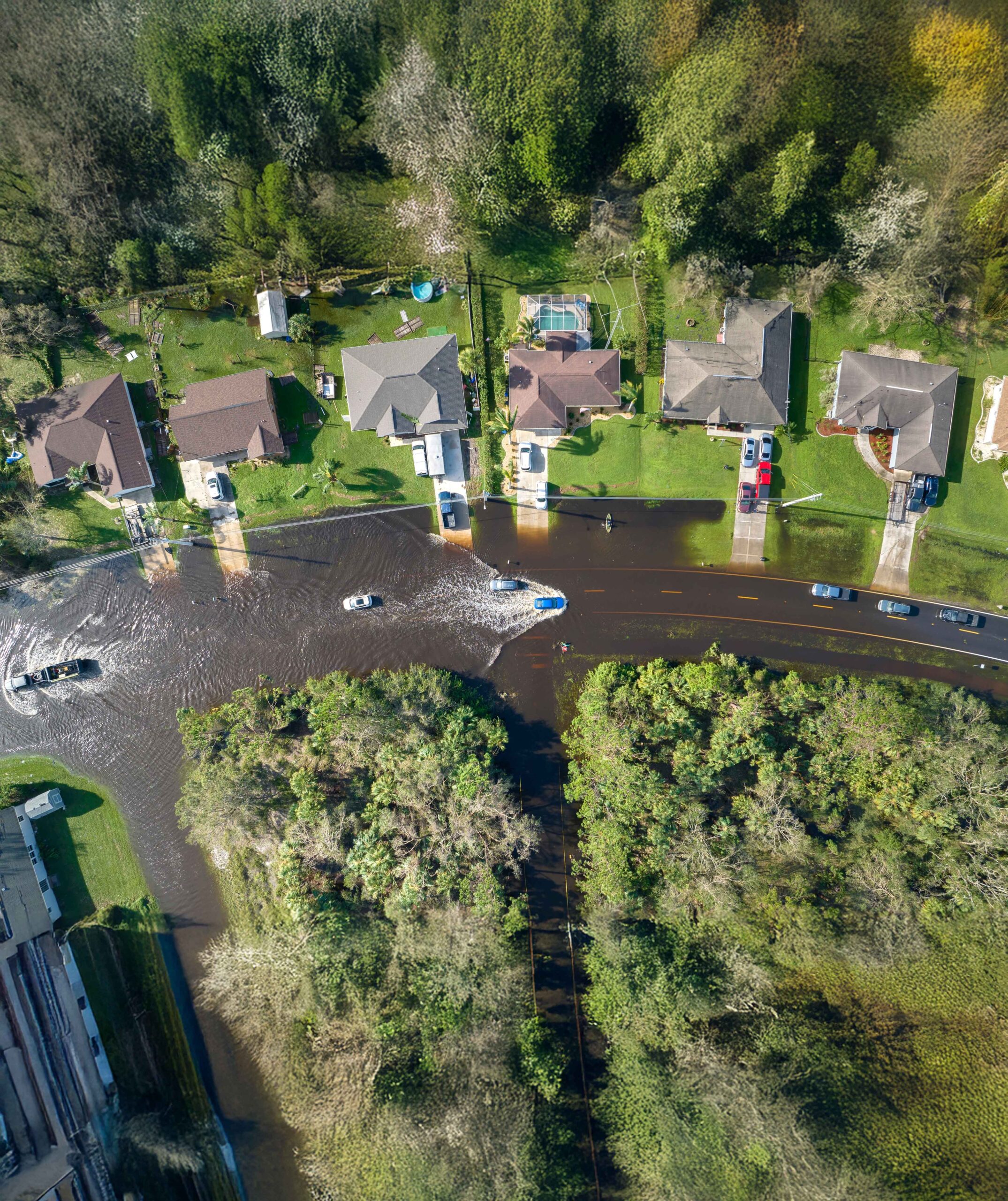
Florida’s tropical weather is perfect for sunshine and beach days, but it also means that storms and hurricanes are a regular part of life. When the skies finally clear, most homeowners immediately notice the visible damage—like broken tree branches, roof leaks, or standing water inside the home. But one of the biggest dangers after a storm is something you often can’t see right away: mold growth.
Mold can begin forming within just 24 to 48 hours of water intrusion, and once it takes hold, it spreads quickly through damp materials. It can damage your property, lower your indoor air quality, and even trigger health problems. That’s why taking the right steps immediately after a storm is so important.
Move Fast After Water Intrusion
When it comes to preventing mold, speed is everything. As soon as it’s safe to re-enter your home, you’ll want to address any water damage. Start by removing standing water with pumps, wet vacuums, or even towels and buckets if that’s all you have on hand. Once the bulk of the water is gone, focus on airflow—open up doors and windows if the weather allows, and set up fans or dehumidifiers to keep air circulating.
Remember, mold thrives in damp, stagnant conditions, so anything you can do to keep the space dry and moving will make a difference. Even small areas of standing water, like a puddle on the carpet or water seeping under furniture, can become a mold hotspot within a couple of days. The sooner you get ahead of it, the easier it is to keep mold from spreading.
Think of drying your home as a marathon, not a sprint…
Safety First
While it’s tempting to dive right into cleanup, safety should always be your top priority. Floodwater can be contaminated with chemicals or bacteria, so always wear gloves, a mask, and protective clothing when working in water-damaged areas. Turning off electricity in flooded rooms is also essential—water and power don’t mix, and the risk of electric shock is real.
It’s also important to look for signs of structural damage before entering the home. Heavy winds and flooding can weaken walls, floors, or ceilings, making them unsafe. If you’re unsure, wait until professionals confirm the home is structurally sound. Protecting yourself during cleanup is just as important as protecting your home from mold.
Dry Out the House
Thorough drying is the single most effective way to stop mold before it starts. Unfortunately, some household items don’t handle water damage well. Carpets, rugs, and upholstered furniture often absorb water deep inside and can rarely be saved once they’ve been saturated. The same goes for drywall and insulation—if they’ve gotten wet, they typically need to be removed and replaced to prevent hidden mold growth.
Hard surfaces like wood, tile, or metal are usually more forgiving. These can often be cleaned with soap and water or a disinfectant and then left to dry completely. Still, even these surfaces need time and airflow to dry out properly. A quick wipe-down may not be enough if moisture has seeped into cracks or beneath the surface. Think of drying your home as a marathon, not a sprint—it may take days to fully eliminate moisture.
Don’t Forget the Hidden Spots
One of the biggest challenges after a storm is the moisture you can’t see. Even if everything looks dry on the surface, water often seeps into hidden spaces. Behind drywall, under floorboards, inside HVAC ducts, or in attic insulation are all common places where mold quietly begins to spread.
Because you can’t always detect this with the naked eye, many homeowners assume they’re in the clear—only to discover mold weeks or months later. Professional mold assessors use tools like thermal imaging cameras and moisture meters that can pick up on dampness behind walls and under floors. If you’ve had significant flooding, bringing in a professional to check these hidden areas can save you from bigger problems down the road.
If you notice musty odors, dark spots on walls or ceilings, or if your family experiences allergy-like symptoms indoors, it may be a sign that mold has begun to grow.
Keep Humidity Under Control
Even after visible water is gone, Florida’s natural humidity can keep your home damp enough for mold to thrive. Ideally, you want to keep indoor humidity below 50 percent. Air conditioners can help reduce moisture levels, but adding a dehumidifier will make an even bigger difference. Running ceiling fans and keeping air circulating also discourages mold spores from settling.
It’s a good idea to keep monitoring humidity in the weeks after a storm, since hidden moisture can linger longer than you think. Mold doesn’t need standing water to grow—just humid air and damp surfaces. Staying on top of indoor moisture levels is one of the best long-term defenses against mold.
Call in the Pros if You’re Unsure
Even if you’ve done everything right, it’s normal to worry about whether mold is already forming. If you notice musty odors, dark spots on walls or ceilings, or if your family experiences allergy-like symptoms indoors, it may be a sign that mold has begun to grow.
Calling a licensed mold assessor can give you peace of mind. Professionals not only check for visible mold but also test the air quality and look for hidden growth you may have missed. If mold is found, they’ll guide you through the next steps for safe and effective remediation. Sometimes just knowing for sure is worth the call, especially when your health and home are at stake.
Final Thoughts
Storms may be a fact of life in Florida, but mold doesn’t have to be. By acting quickly after water intrusion, focusing on thorough drying, and keeping humidity in check, you can dramatically reduce your risk of mold taking hold in your home. And if you’re ever in doubt, calling in a professional mold assessor is the safest way to protect your family and your property.
Don’t let mold become the lasting legacy of a storm—take action early and keep your home safe.
About the Author: Ali Jaffri is a licensed mold assessor, trade veteran, and the owner of Florida State Mold Inspection. He runs a customer-centric operation as described by customers in his Google reviews. Backed by years of hands-on remediation experience and a background in roofing logistics, Ali specializes in tracking complex indoor air quality problems back to their origin. Known for his uncompromising client advocacy, he provides independent, scientifically rigorous assessments that protect property owners from industry pressure and gaslighting. For more information, visit Florida State Mold Inspection or connect with Ali on his LinkedIn page.