The Dangers of Black Mold: A Guide for Clearwater Residents
Clearwater living has its perks — sun-soaked days, salt-kissed breezes, and endless reasons to love the Gulf Coast. But behind the beauty of paradise, there’s a silent intruder creeping into homes and businesses: black mold.
This isn’t just an ugly stain on the wall. It’s a health hazard, a property destroyer, and a problem you can’t afford to ignore.
Why Black Mold Loves Clearwater
Our subtropical weather is the perfect playground for mold. High humidity, heavy rains, leaky roofs, and cozy dark spaces give black mold (Stachybotrys chartarum) exactly what it needs to thrive. Once it takes root, it spreads fast — and it doesn’t just stay in the corners. Spores get into the air you breathe.
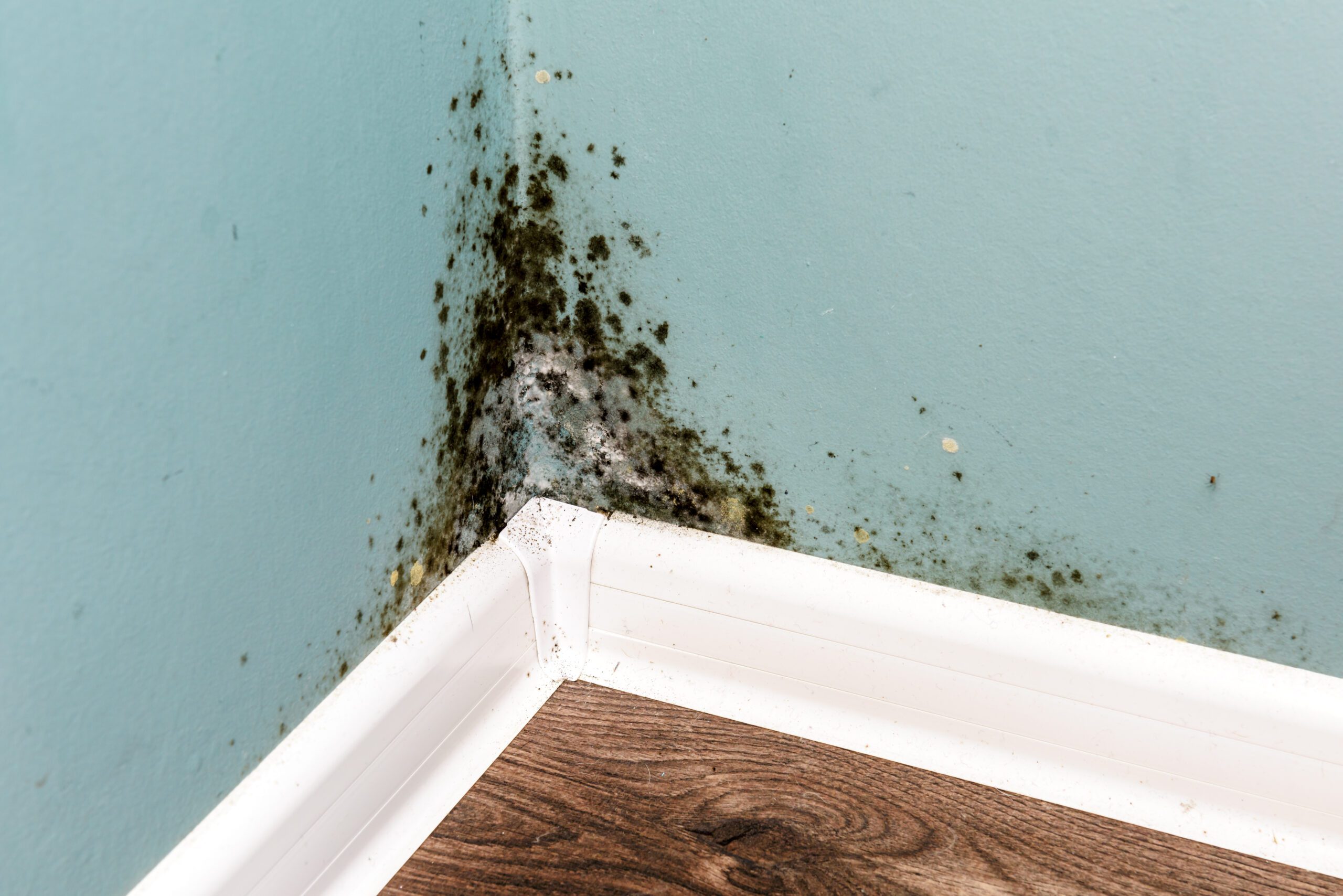
But behind the beauty of paradise, there’s a silent intruder creeping into homes and businesses: black mold.
The Real Danger: Your Health
Black mold doesn’t just look bad — it makes you feel bad. Breathing in its spores and toxins can trigger:
-
Nagging coughs and wheezing you can’t shake
-
Headaches and fatigue that drain your energy
-
Itchy eyes and rashes that flare up indoors
-
Severe reactions for anyone with asthma, allergies, or a weaker immune system
And here’s the kicker: many Clearwater residents don’t connect these symptoms to their homes. You might feel better the moment you step outside — and worse when you come back in.
How to Spot It Before It Gets Out of Control
Black mold is sneaky, but it leaves clues:
-
A musty, swampy smell that lingers no matter how much you clean
-
Dark patches creeping along ceilings, walls, or around windows
-
Water-damaged areas after storms, leaks, or plumbing issues
-
Health flare-ups that mysteriously happen at home
What to Do If You Find Black Mold
Here’s the golden rule: don’t go to war with black mold on your own. Scrubbing it spreads spores, and store-bought cleaners don’t cut it. Instead:
-
Stop the moisture – Leaks, humidity, and poor ventilation are mold’s best friends.
-
Get a professional inspection – Experts can confirm what you’re dealing with.
-
Leave removal to the pros – Certified remediation specialists have the tools to safely eliminate mold and stop it from coming back.
Keeping Clearwater Homes Mold-Free
Think prevention, not reaction:
-
Run dehumidifiers to keep humidity below 50%.
-
Use exhaust fans in bathrooms, kitchens, and laundry rooms.
-
Seal cracks and leaks before the next big storm.
-
Schedule a professional mold inspection regularly, especially after heavy rains or hurricane season.
Our subtropical weather is the perfect playground for mold. High humidity, heavy rains, leaky roofs, and cozy dark spaces give black mold (Stachybotrys chartarum) exactly what it needs to thrive. Once it takes root, it spreads fast — and it doesn’t just stay in the corners. Spores get into the air you breathe.
The Bottom Line
Black mold is more than an eyesore — it’s a silent health threat and a homewrecker. Clearwater’s climate makes us especially vulnerable, which is why knowing the signs and acting fast matters.
Don’t wait for the musty smell or the headaches to get worse. Protect your health, your family, and your home — and let the experts handle the rest.
About the Author: Ali Jaffri is a licensed mold assessor, trade veteran, and the owner of Florida State Mold Inspection. He runs a customer-centric operation as described by customers in his Google reviews. Backed by years of hands-on remediation experience and a background in roofing logistics, Ali specializes in tracking complex indoor air quality problems back to their origin. Known for his uncompromising client advocacy, he provides independent, scientifically rigorous assessments that protect property owners from industry pressure and gaslighting. For more information, visit Florida State Mold Inspection or connect with Ali on his LinkedIn page.