What Does Black Mold Look Like? (And How to Tell If It’s Invading Your Home)
You’ve just noticed a dark, fuzzy patch in the corner of your bathroom or creeping along your basement wall. It looks suspicious, it smells weird, and now you’re wondering — what does black mold actually look like?
Let’s talk about what you’re really seeing, and when it’s time to take it seriously.
The Short Answer: Black Mold Isn’t Always “Black”
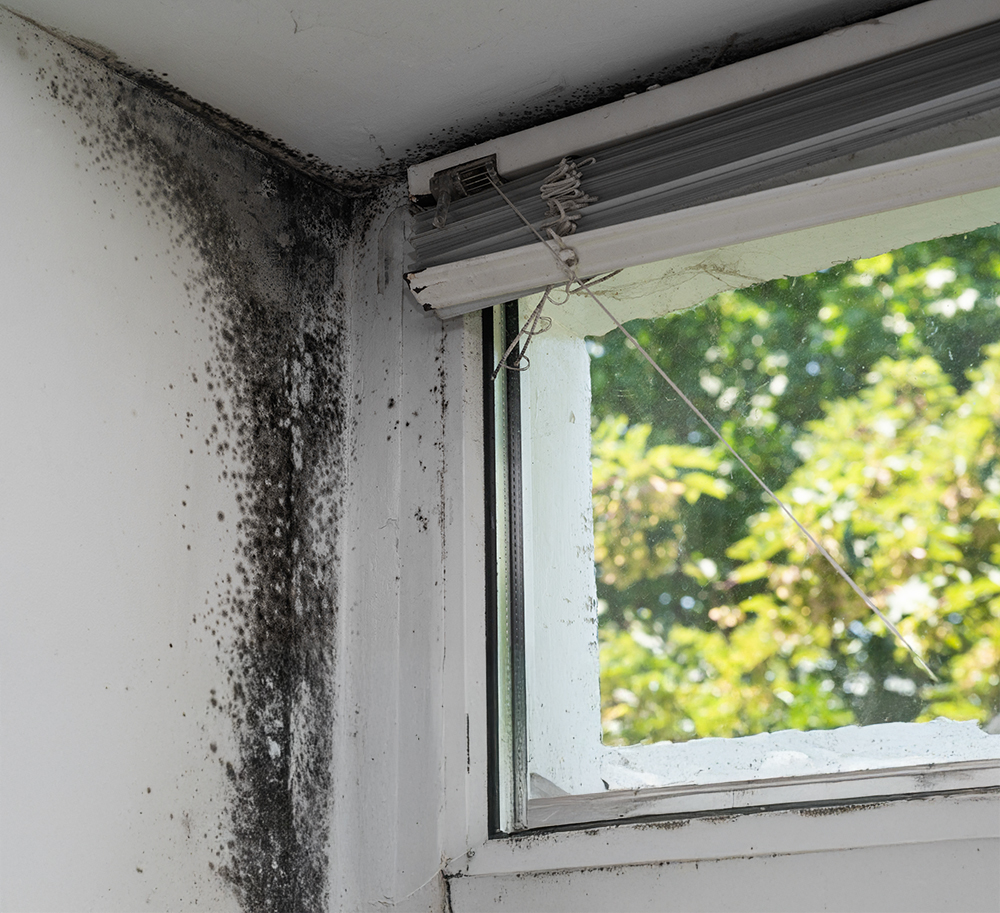
Despite its name, black mold isn’t always perfectly black. The species most people mean when they say “black mold” is Stachybotrys chartarum, and depending on how long it’s been growing and what it’s feeding on, it can look dark green, gray, brown, or even a greenish-black color.
Fresh black mold often looks slimy or shiny, almost wet to the touch, while older colonies may dry out and take on a powdery, soot-like texture. It doesn’t usually grow in neat, round circles — instead, it spreads unevenly, forming irregular blotches that darken over time.
If it’s on drywall, wood, or carpet backing, you might notice a fuzzy or velvety surface. And even if you can’t see it clearly yet, a strong musty, earthy odor is often the first sign that it’s hiding somewhere behind a wall or under flooring.
Where Black Mold Likes to Grow
Black mold loves damp, humid, or water-damaged areas — places where moisture lingers and airflow is poor. Bathrooms without ventilation, leaky basements, ceilings affected by roof leaks, and the area under sinks are common hiding spots. It can also grow behind wallpaper, inside air conditioning units, and around windows that collect condensation.
If your home has recently had a plumbing leak or flood, that’s when black mold tends to make its debut. It doesn’t show up overnight — it usually takes a week or two of persistent moisture for colonies to form and spread.
Black mold doesn’t always look jet-black — it can appear greenish, gray, or even brown, but what truly gives it away is its slimy texture, musty smell, and love for any place where water doesn’t belong.
How to Tell It Apart from Other Mold
Not every dark patch is the dreaded black mold. Lighter molds like mildew tend to be flat, thin, and easy to wipe away, while black mold is more stubborn — thicker, slimier, and often embedded in the material beneath it. You might also find other molds that appear black but grow in speckled dots rather than large patches.
One thing that really sets Stachybotrys apart is its association with long-term water damage. If the affected area feels soft, warped, or smells strongly of damp earth, you’re likely dealing with something more serious than just surface mildew.
Cleaning and Prevention
f you’ve only found a small patch (less than about three feet wide), you can often clean it yourself — just be sure to wear gloves, a mask, and proper ventilation. Use a mold-killing cleaner and make sure the area dries completely afterward.
For anything larger, or if the mold keeps returning, it’s best to call a professional mold inspector or remediation company. Black mold can release microscopic spores and mycotoxins into the air, which may cause coughing, headaches, and allergic reactions, especially for those with asthma or weakened immune systems.
Once the mold is gone, the most important step is keeping moisture under control. Fix leaks promptly, use a dehumidifier in damp rooms, and open windows or use exhaust fans after showering or cooking. The less moisture there is, the less likely mold is to make a comeback.
The Bottom Line
So, what does black mold look like? Think of it as dark, slimy, and persistent — the unwelcome guest that thrives where water doesn’t belong. Its color can vary from black to greenish-gray, its texture can shift from wet and shiny to dry and dusty, but its smell and stubbornness are unmistakable.
If you spot something suspicious, don’t ignore it. Black mold may be common, but it’s never harmless — and catching it early is the key to keeping your home safe, dry, and healthy.
About the Author: Ali Jaffri is a licensed mold assessor, trade veteran, and the owner of Florida State Mold Inspection. He runs a customer-centric operation as described by customers in his Google reviews. Backed by years of hands-on remediation experience and a background in roofing logistics, Ali specializes in tracking complex indoor air quality problems back to their origin. Known for his uncompromising client advocacy, he provides independent, scientifically rigorous assessments that protect property owners from industry pressure and gaslighting. For more information, visit Florida State Mold Inspection or connect with Ali on his LinkedIn page.